

Blog
fiber optic cable types by elv cables uae
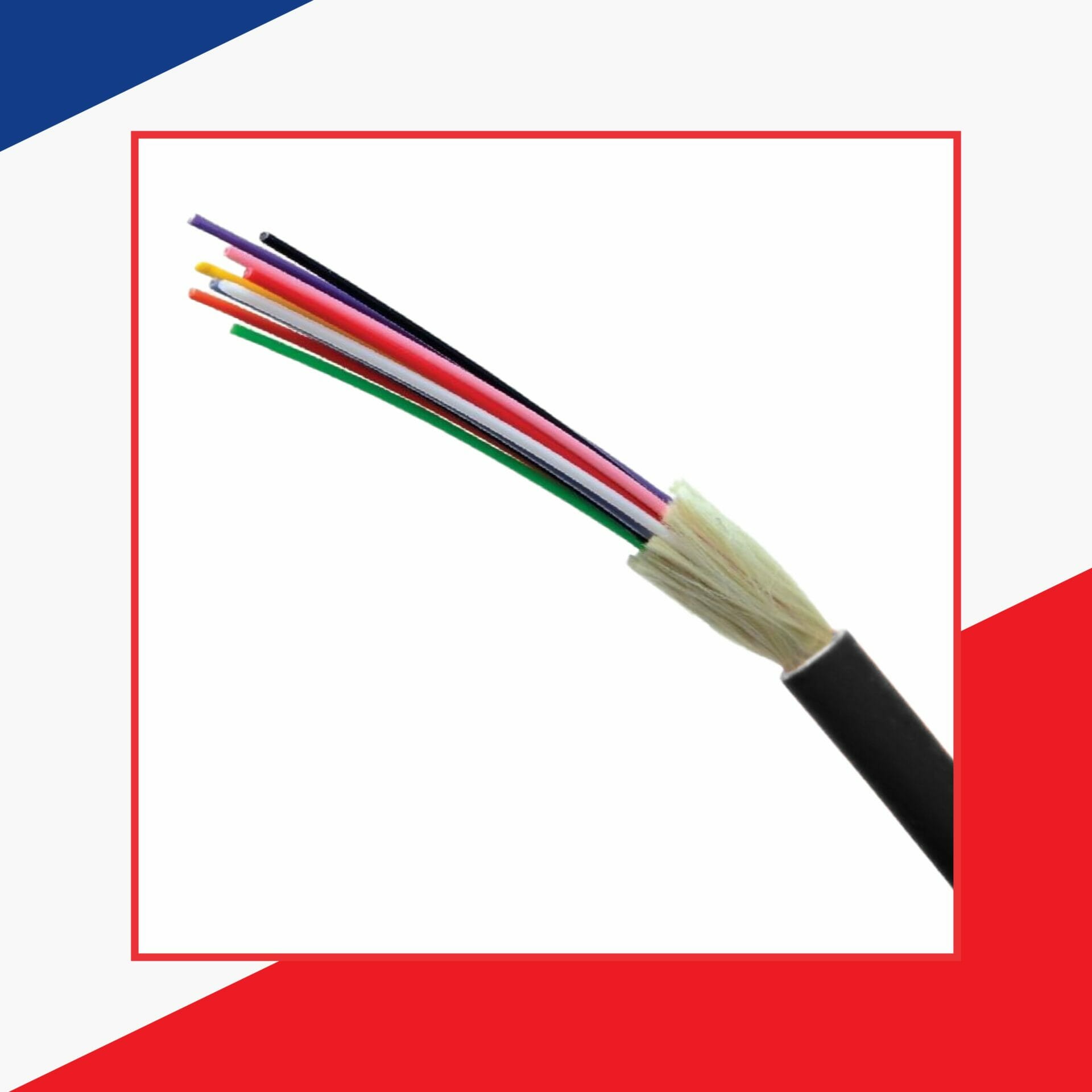
Exploring the Various Fiber Optic Cable Types Manufactured by ELV Cables
Introduction to Fiber Optic Cables
Fiber optic cables play a crucial role in contemporary communication systems by providing a high-speed data transmission medium. These cables are composed of flexible glass or plastic fibers that transmit information as light pulses. This method of data transfer contrasts sharply with traditional copper cables, which rely on electrical signals. The use of light for communication not only enhances the speed at which data can be transmitted but also facilitates longer transmission distances without significant loss of signal quality. The Different fiber optic cable types types of fiber optic cables
One of the primary advantages of fiber optic technology is its ability to support higher bandwidth capacities. This means that more data can be transmitted simultaneously, accommodating the increasing demands of modern applications such as streaming services, video conferencing, and cloud computing. As the digital landscape continues to evolve, the requirement for robust and efficient data transmission becomes more critical, and fiber optic cables rise to the occasion by providing the necessary infrastructure. The Different fiber optic cable types

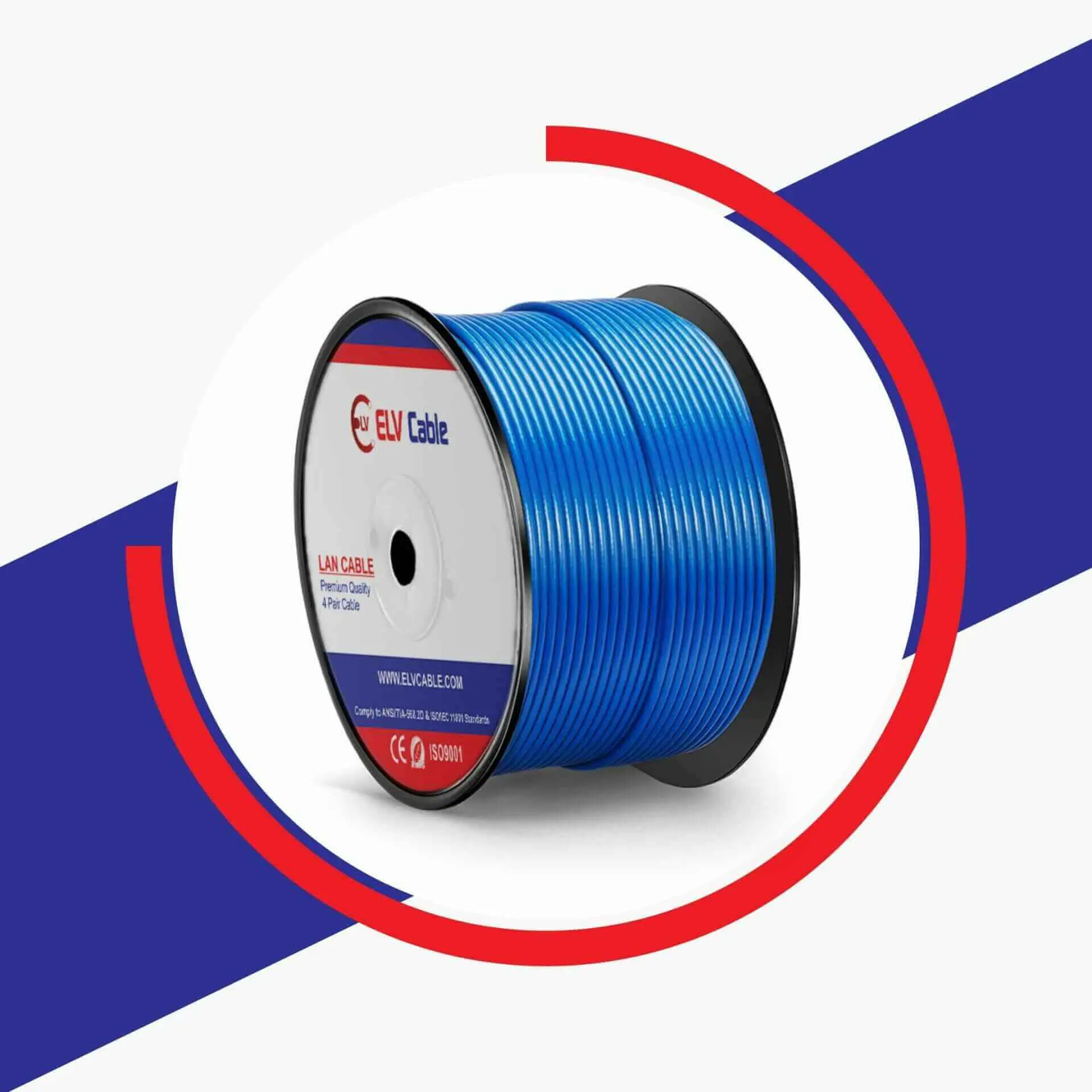


Additionally, fiber optic cables are less susceptible to interference compared to their copper counterparts, leading to a more reliable connection. They are designed to fiber optic cable types be immune to electromagnetic interference (EMI) and radio-frequency interference (RFI), which often disrupt data single-mode fiber optic cable types single mode fiber optic cable types transmission in copper systems. This characteristic ensures that fiber optics maintain a stable and high-quality signal even in environments with substantial electronic noise. fiber optics cable types
Another noteworthy benefit of fiber optic cables is their lightweight and compact nature, making installation easier and often more cost-effective. The flexibility of fiber optic cables allows for greater versatility in installation, whether in large corporate networks or smaller residential settings. As a result, the demand for various types of fiber optic cables continues to grow, establishing them as a fundamental component in modern communication infrastructures. The Different fiber optic cable types
Overview of ELV Cables Manufacturing
ELV Cables, a prominent name in the telecommunications industry, specializes in producing high-quality fiber optic cables that meet the evolving needs of modern communication systems. Founded with a commitment to innovation and excellence, the company has established itself optic cable types as a leader in the manufacturing of various types of fiber optic cables, catering to both commercial and industrial applications. ELV Cables takes pride in its state-of-the-art manufacturing processes that adhere to rigorous international quality standards, ensuring each product delivers optimal performance under varying conditions.
The company invests significantly in research and development to remain at the forefront of technological advancements within the fiber optic sector. By employing advanced types of outdoor fiber optic cable manufacturing techniques, fiber optic cable categories fibre channel cable types including precision extrusion and meticulous quality control measures, ELV Cables enhances the reliability and efficiency of its products. fibre optics cable types Every fiber optic cable produced is subjected to fiber cables types extensive testing, which includes evaluating optical performance, mechanical durability, and environmental resistance. This methodical approach guarantees that the products not only meet but often exceed customer expectations. fiber cable types types of fiber optic cable
Furthermore, ELV Cables has developed a diverse product line that includes single-mode and multi-mode fiber optic cables, armored cables, and specialty cables tailored for specific applications. Whether utilized in telecommunications networks, fo cable ofc cable types type data centers, or smart city infrastructures, these cables are engineered to ensure high bandwidth and data integrity. The versatility of ELV Cables’ offerings reflects the company’s understanding of the varied requirements of its clientele, providing solutions that are both flexible and robust.optic fiber cable types optic fiber types different fiber optic cables
In summary, ELV Cables continues to strengthen its types of fiber cables position in the fiber optic cable market through innovation and commitment to quality. By focusing on advanced manufacturing fiber optic cable types processes and maintaining stringent quality checks, the company ensures that its products meet the diverse needs of the telecommunications industry and beyond.types of fibre optic cable fiber-optic cable that consists of two cables is called
Single-Mode Fiber Optic Cables
Single-mode fiber optic cables are engineered to transmit light directly down the fiber core, allowing only a single mode of light to propagate. This design significantly reduces signal loss and minimizes modal dispersion, making them ideal for long-distance data transmission. The core of a single-mode fiber is typically around 8 to 10 micrometers in diameter, which is considerably smaller than that of multimode fibers. This smaller core is precisely why single-mode fibers can maintain higher bandwidths over longer distances, making them a favored choice for a variety of demanding applications.
One of the primary applications for single-mode fiber optic cables is telecommunications, where they facilitate high-speed data transfer across extensive networks. Telecom companies rely on single-mode fibers to connect cities, enabling rapid communication and internet services. Additionally, internet service providers utilize these cables to enhance their service offerings, supporting the significant bandwidth demands of modern digital platforms. Through this technology, users experience faster download and upload speeds, contributing to an overall improvement in internet connectivity and performance.
Furthermore, single-mode fiber optic cables are pivotal in data center interconnections, where maintaining high-speed connections between servers is crucial. The resilience of these cables to external interferences allows for consistent data integrity, making them ideal for environments that require reliable communication. Moreover, they are increasingly used in emerging technologies, including cloud computing and IoT applications, where extensive data transmission is necessary for seamless operation.
In conclusion, single-mode fiber optic cables represent a vital component in modern communication infrastructure. Their specialized design not only facilitates minimal signal loss but also supports high-bandwidth applications across vast distances. As technology continues to evolve, the role of single-mode fiber is expected to expand, further enhancing the capabilities of telecommunications and data services worldwide.2 types of fiber optic cable
Multi-Mode Fiber Optic Cables
Multi-mode fiber optic cables are designed to facilitate the transmission of multiple light modes simultaneously, making them particularly effective for short-distance communication applications. Unlike single-mode fibers, which offer a single path for light, multi-mode fibers allow several light rays to propagate through their core, enhancing bandwidth capacity and reducing the impact of modal dispersion. The structure of multi-mode cables typically involves a larger core diameter, which enables this multiple mode transmission, resulting in cost-effective solutions for local area networks (LANs) and data centers.
ELV Cables manufactures several types of multi-mode fiber optic cables, each tailored to specific communication needs and distance requirements. Among these, OM1, OM2, OM3, and OM4 fibers play a significant role in modern networking infrastructures. OM1 cables, characterized by a core diameter of 62.5 microns, are commonly used for older installations and offer bandwidth over short lengths, often suitable for video and voice data signaling in environments not exceeding 300 meters.
OM2 fibers, slightly enhanced with a 50-micron core, support higher bandwidth and longer distances, reaching up to 600 meters for 1 Gbps Ethernet applications. OM3 multi-mode fibers are optimized for laser light transmission, exhibiting a 50-micron core as well and capable of supporting 10 Gbps speeds up to 300 meters, making them ideal for today’s data center demands. Finally, OM4 fibers improve upon OM3 by supporting 10 Gbps speeds for lengths up to 400 meters, providing a future-forward solution for high-performance networking needs.
In summary, the varied types of multi-mode fiber optic cables developed by ELV Cables are fundamental to achieving efficient data transfer in localized environments. Each type serves distinct purposes, catering to a range of technological demands in evolving network landscapes.
Armored Fiber Optic Cables
Armored fiber optic cables produced by ELV Cables are engineered to provide robust protection against various physical and environmental hazards. These specialized cables are fortified with an additional layer of armor, which enhances their durability and resilience. The primary advantage of armored fiber optic cables lies in their ability to withstand extreme conditions, making them suitable for diverse applications that may involve exposure to harsh environments.
One of the critical features of armored fiber optic cables is their resistance to rodent infiltration. In many industrial settings and outdoor installations, rodents can pose a significant risk by gnawing through traditional cables. However, the protective armor of ELV’s cables serves as a deterrent, offering peace of mind to facilities that may otherwise face disruptions to their communication and data services. This added layer of defense ensures uninterrupted performance in critical environments.
Moreover, these cables are designed to endure adverse weather conditions such as heavy rainfall, extreme temperatures, and strong winds. As a result, armored fiber optic cables are the preferred choice for outdoor deployments, including telecommunications networks, data centers, and utility companies that require reliable connectivity. Their construction allows them to be buried underground or installed in exposed locations without the fear of damage from environmental factors.
In summary, armored fiber optic cables from ELV Cables are a vital solution for industries that demand rugged and dependable networking infrastructure. Their ability to resist physical damage, environmental challenges, and biological threats makes them particularly invaluable in settings where durability is paramount. This long-lasting protection not only maximizes service life but also contributes to the overall efficiency and reliability of data transmission networks.
Loose Tube Fiber Optic Cables
Loose tube fiber optic cables are a fundamental component of modern telecommunications infrastructure, particularly for outdoor and long-haul applications. The distinct construction of these cables involves housing multiple optical fibers within a protective tube. This tube is typically filled with gel or water, designed to protect the delicate fiber strands from environmental stressors such as temperature variations, moisture, and mechanical pressures.
The design features of loose tube cables allow for thermal expansion and contraction. This is crucial, as changes in temperature can cause the fibers to expand or contract. By accommodating these movements, loose tube cables maintain signal integrity and reliability over long distances. Additionally, the gel or water filling serves to keep moisture away from the fibers, further enhancing their durability and longevity in challenging outdoor conditions.
Understanding Network Cables
Network cables are critical components in modern communication systems, facilitating the transmission of data across various devices. They enable connections within local area networks (LANs), wide area networks (WANs), and the internet, serving as the backbone for data exchange in both residential and commercial environments. The increasing demand for high-speed internet and connected devices has heightened the significance of network cables, making them indispensable in today’s digital age.
Fahad Cables Industry FZE specializes in manufacturing an array of network cables designed to meet diverse connectivity needs. Among the most popular types offered are the CAT5e, CAT6, and CAT6a cables. The CAT5e (Category 5 enhanced) cables are an improvement over the original CAT5, providing support for data speeds of up to 1 Gbps. They are commonly utilized for casual browsing, streaming, and online gaming due to their capability to handle moderate bandwidth requirements efficiently.
For environments that require higher performance, CAT6 cables are the preferred choice. CAT6 cables support data rates of up to 10 Gbps over short distances and are characterized by their enhanced shielding, which minimizes crosstalk and interference. This makes them suitable for applications such as video conferencing, VoIP, and large data transfers, where speed is critical.
Finally, the CAT6a (Augmented Category 6) cables take performance a step further, supporting data rates of up to 10 Gbps over longer distances and providing superior protection against external interference. They are ideal for more demanding applications, including data centers and enterprise networks that require reliable and high-speed connections with minimum latency.
In conclusion, the offerings from Fahad Cables Industry FZE provide essential solutions for various network applications, catering to the growing needs of consumers and businesses seeking reliable and efficient communication systems.
Diving Deep into Ethernet Cables
Ethernet cables are critical components in modern networking, serving as the backbone for both residential and commercial data transmission. These cables are primarily designed to connect devices such as computers, routers, switches, and other network hardware, enabling a seamless flow of information. At Fahad Cables Industry FZE, a leading manufacturer in the UAE, high-quality Ethernet cables are produced to meet various industry standards and specifications to ensure optimal performance and reliability.
There are several categories of Ethernet cables, each defined by specific performance metrics. The most common types include Cat5e, Cat6, Cat6a, Cat7, and Cat8 cables. The “Cat” designation stands for “category” and refers to the standards set by the Telecommunications Industry Association (TIA). For instance, Cat5e cables support speeds up to 1 Gbps with a maximum bandwidth of 100 MHz, making them suitable for standard home networks. In contrast, Cat6 and higher categories exhibit improved performance, supporting up to 10 Gbps speeds over shorter distances, which is ideal for enterprise-grade networks.
Each category of Ethernet cable comes with distinct functionalities that cater to specific networking needs. For example, while Cat5e is sufficient for most home users, businesses that require higher data transfer rates may rely on Cat6 or Cat6a cables. Additionally, Cat7 cables offer shielding that reduces interference, making them suitable for environments with significant electronic noise. Ethernet cables not only enhance the speed and reliability of network connections but also play a pivotal role in ensuring compliance with industry standards, such as ANSI/TIA and ISO/IEC.
As technology continues to evolve, so does the demand for high-performance Ethernet cables. Fahad Cables thrives in this competitive landscape by adhering to industry best practices, thereby ensuring that their products meet the rigorous performance demands of today’s interconnected world.
The Importance of Control Cables
Control cables are integral components in various industrial and automation applications, serving to operate and manage machinery, systems, and equipment effectively. These cables are designed to handle different types of electrical signals, ensuring reliable communication between control devices and machinery. At their core, control cables provide interface connections that facilitate the operation of motors, actuators, sensors, and various controls, making them crucial in maintaining efficient workflows in varying environments.
One of the primary characteristics of control cables is their construction, which typically incorporates multiple insulated conductors bundled together. This configuration allows them to transmit signals while minimizing electromagnetic interference, ensuring operational stability. Control cables are designed to withstand harsh conditions commonly found in manufacturing plants, power stations, and infrastructure installations, ensuring prolonged service life and reliability. The durability and flexibility of these cables are essential for their application in dynamic and frequently changing industrial environments.
Fahad Cables Industry FZE produces a diverse range of control cables tailored to different needs and industry standards. These include instrumentation cables, which are vital for precise measurement and control, and armored cables designed for extra protection against physical damage. Additional types include screened cables that reduce electromagnetic interference, making them particularly important in telecommunications sectors and sensitive manufacturing processes. Each type of control cable is engineered for specific applications, ensuring that they meet the stringent demands of various sectors.
Applications of control cables span a wide array of industries, including manufacturing, telecommunications, and transportation. In manufacturing, control cables are used in automation systems to facilitate operations such as conveyor movements and robotic assembly. In the telecommunications industry, these cables support data transmission and network connectivity, making them essential for modern communication systems. Their versatility and reliability underscore their importance as a foundation in today’s interconnected industrial landscape.
Manufacturing Process of Cables
Fahad Cables Industry FZE employs a meticulous manufacturing process that begins with the careful sourcing of high-quality raw materials. The company prioritizes partnerships with reputable suppliers to ensure the copper, insulation, and other components meet stringent industry standards. The selection process emphasizes not only the quality but also the sustainability of materials, aligning with global best practices in responsible sourcing.
Once the materials are procured, the next phase involves advanced manufacturing techniques that enhance production efficiency while maintaining product integrity. Fahad Cables utilizes state-of-the-art machinery and technology to facilitate the production of network and control cables. This includes automated extrusion processes that ensure a uniform application of insulation on the copper wires, critical for optimal performance and safety. Furthermore, the organization has integrated modern techniques such as continuous casting and drawing, which contribute to improved conductor strength and enhanced electrical characteristics.
Quality control is a cornerstone of Fahad Cables’ manufacturing process. Each step of production undergoes rigorous oversight to identify and rectify any discrepancies early on. This includes testing the electrical properties of the finished cables, as well as visual inspections to ensure uniformity and adherence to specifications. The company has established a comprehensive quality assurance framework, encompassing everything from initial material checks to final product evaluations, which guarantees the reliability and durability of their cables.
Additionally, the manufacturing facility is regularly updated to accommodate the latest technological advancements and industry trends. This proactive approach enables Fahad Cables to remain competitive in the UAE market. The ongoing investment in technology and skilled personnel further solidifies their reputation as a leading manufacturer of network and control cables. Collectively, these elements underscore Fahad Cables Industry FZE’s commitment to delivering high-performance products to its customers.
In terms of structure, loose tube cables usually consist of several fibers grouped within a tube, which can be bundled together to form a multi-fiber cable. This configuration offers high fiber counts, making it an ideal choice for telecom operators aiming to lay down extensive networks without requiring several separate cables. The protective design not only contributes to the longevity of the cables but also ensures consistent performance, which is critical for high-speed data transmission.
Loose tube fiber optic cables are widely used in outdoor installations, including urban and rural telecommunications networks, where they are subjected to various environmental challenges. Their robust nature makes them suitable for long-haul installations as well, where signals must travel considerable distances without significant loss of quality. Their versatility and reliability in adverse conditions position loose tube cables as a preferred choice for many network providers.
Tight-Buffered Fiber Optic Cables
Tight-buffered fiber optic cables represent a specific construction design where each optical fiber is coated with a buffer that is tightly bound to the fiber itself. This tight buffering process provides enhanced protection to the fragile glass fibers while also maintaining flexibility and ease of use. The tight buffer material serves as a protective layer, allowing the cables to remain compact and resistant to environmental stressors, which is crucial in maintaining signal integrity during various applications.
One of the primary benefits of tight-buffered fiber optic cables is their handling and installation advantages. Their flexible nature enables installers to easily route the cables around corners and through conduits, making them ideal for indoor environments. Unlike loose tube cables, which require more careful handling due to their larger and more susceptible design, tight-buffered cables are more robust and less prone to damage during installation. This characteristic makes them particularly suitable for applications involving close quarters, such as LAN setups and fiber-to-the-desk connections.
Moreover, tight-buffered fiber optic cables find prevalent usage in scenarios requiring frequent reconfigurations or expansions, such as corporate offices, educational institutions, and data centers. The ease of installation and flexibility they provide facilitates quick deployment and enables organizations to adapt their networking configurations without significant downtime. Additionally, tight-buffered cables deliver reliable performance, which is essential for applications that demand high data rates and minimal signal loss.
In summary, tight-buffered fiber optic cables manufactured by ELV Cables offer a blend of durability and ease of installation. With their myriad advantages, they are particularly advantageous for indoor installations and environments where adaptability and ease of handling are crucial. By incorporating these cables into networking infrastructures, users can ensure efficient and reliable connectivity tailored to their specific operational needs.
Plenum and Riser Fiber Optic Cables
Understanding the differences between plenum and riser-rated fiber optic cables is essential for their appropriate application within commercial buildings. ELV Cables manufactures both types, each designed to meet specific safety and performance standards addressing diverse installation environments. Plenum-rated fiber optic cables are specifically engineered to be installed in areas that facilitate air circulation, typically within the ceilings of commercial spaces. These cables often utilize a fire-resistant jacket that complies with stringent safety standards, such as the National Fire Protection Association (NFPA) regulations. This feature is critical because if a fire were to occur, plenum cables would reduce smoke and toxic fumes, consequently enhancing safety for building occupants.
On the other hand, riser-rated fiber optic cables are designed for vertical spaces that connect different floors within a building. Unlike plenum cables, these cables are not required to resist combustion in the same manner since they do not typically pass through air circulation areas. Nevertheless, they must adhere to specific standards to ensure safety during vertical runs. Riser cables are equipped with a limited fire resistance that prevents flames from traveling between floors, which is essential for maintaining the integrity of fire barriers.
When considering which cable to utilize, it is crucial to assess the environment in which the cables will be installed. Plenum cables are suitable for installations in air handling spaces, where air circulation is necessary, while riser cables are ideal for vertical applications. Evaluating the intended use and meeting the necessary safety standards is paramount in choosing the appropriate fiber optic cable type from ELV Cables, ensuring safety and compliance within commercial building infrastructure.
Conclusion: Choosing the Right Fiber Optic Cable
In the ever-evolving landscape of technology, the importance of selecting the appropriate fiber optic cable cannot be overstated. ELV Cables provides a diverse range of fiber optic cables tailored to meet various applications and environments. When choosing the right type of fiber optic cable, it is crucial to consider several factors, including bandwidth requirements, installation conditions, and environmental factors. Understanding the different types of cables, such as single-mode and multi-mode, is essential in making an informed decision that aligns with your project specifications.
Single-mode fiber optic cables are characterized by their ability to transmit signals over long distances with minimal attenuation. They are best suited for telecommunications and high-speed internet applications. In contrast, multi-mode fiber optic cables are ideal for shorter distances and applications that require moderate data transfer speeds, making them a common choice for local area networks (LANs).
Furthermore, the choice of cable should reflect the environmental conditions in which it will be deployed. For instance, outdoor-rated cables are designed to withstand harsher conditions, including exposure to moisture and UV light. Conversely, indoor-rated cables prioritize flexibility and ease of installation. Consulting with professionals who have expertise in fiber optic technology can offer valuable insights, ensuring that the selected cable optimizes performance based on specific needs.
Ultimately, the decision to choose the right fiber optic cable from ELV Cables should be guided by thorough research and professional advice. By assessing your requirements and understanding the available options, you can enhance the efficacy of your fiber optic network. We encourage readers to explore ELV’s extensive product offerings to find the perfect solution for their fiber optic needs, facilitating better connectivity and communication in their respective environments.