SHOP
Understanding Cat6 and Cat6a Cables
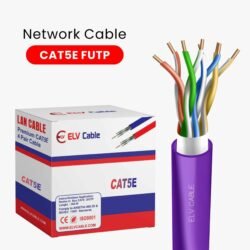
Cat6 and Cat6a cables are essential components in modern networking, designed to support high-speed data transmission across various applications. These twisted pair cables have become the go-to choice for both residential and commercial network installations, owing to their superior performance characteristics compared to predecessors such as Cat5 and Cat5e. shop
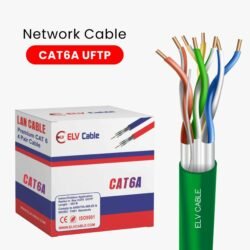
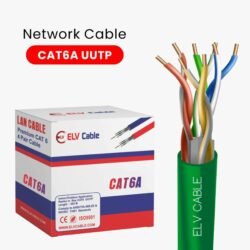
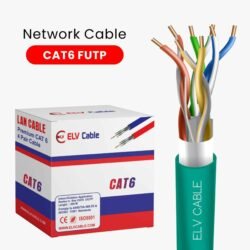
Cat6 cables offer a transmission bandwidth of up to 250 MHz and can support data rates of up to 1 Gbps (Gigabit per second) over distances of 100 meters. Their structure includes tighter twists and a central separator to reduce crosstalk and maintain signal integrity, making them ideal for environments where multiple devices are interconnected, such as offices and data centers.
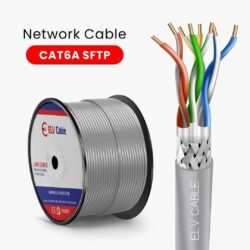
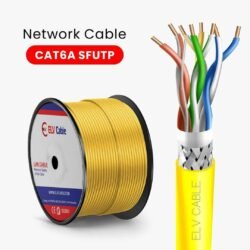
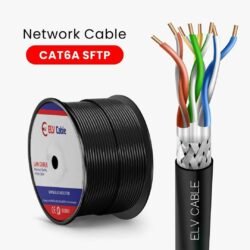
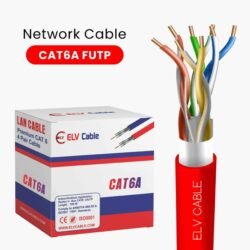
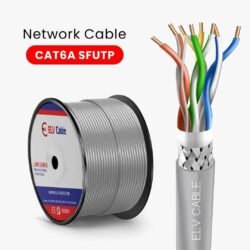
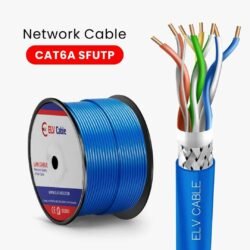
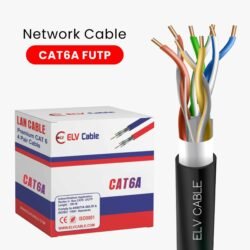
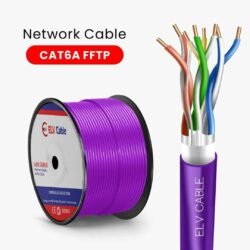
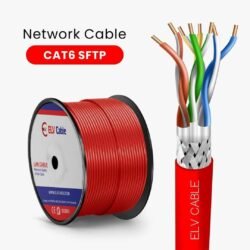
In contrast, Cat6a cables enhance the capabilities of Cat6 by extending the bandwidth to 500 MHz, thus allowing for data rates of up to 10 Gbps over distances up to elv riser room 100 meters as elv shop well. Another critical distinction is that Cat6a cables are often shielded to prevent interference, distance between lv and elv cables making them lan cable color suitable for more demanding applications, including server rooms and professional video streaming setups. The shielding also helps in environments with a higher density of cabling where electrical interference may pose a problem.
Furthermore, both Cat6 and Cat6a cables fall under the category of ELV (Extra Low Voltage) cables. This designation underlines their significance in network installations that operate below certain voltage thresholds, enabling them to function safely alongside other electrical systems. ELV cables mitigate risks while providing robust performance, paving the way for enhanced connectivity and effective communication in increasingly complex network environments.
Showing 1–20 of 355 results
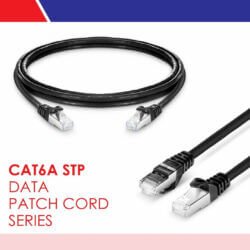
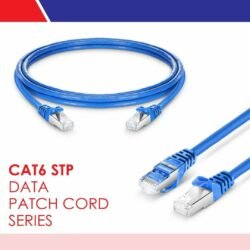
1 Meter cat 6a utp patch cord

cat6a 23AWG utp patch lead 10 Meter